Home/Technology/Chemistry Nobel goes to reactions like those that gave life a hand

Chemistry Nobel goes to reactions like those that gave life a hand

TechnologyOctober 7, 20261 min readAttributed summary
Chemistry Nobel goes to reactions like those that gave life a hand
Altering molecular handedness has implications for the origins of life.
Reading Settings

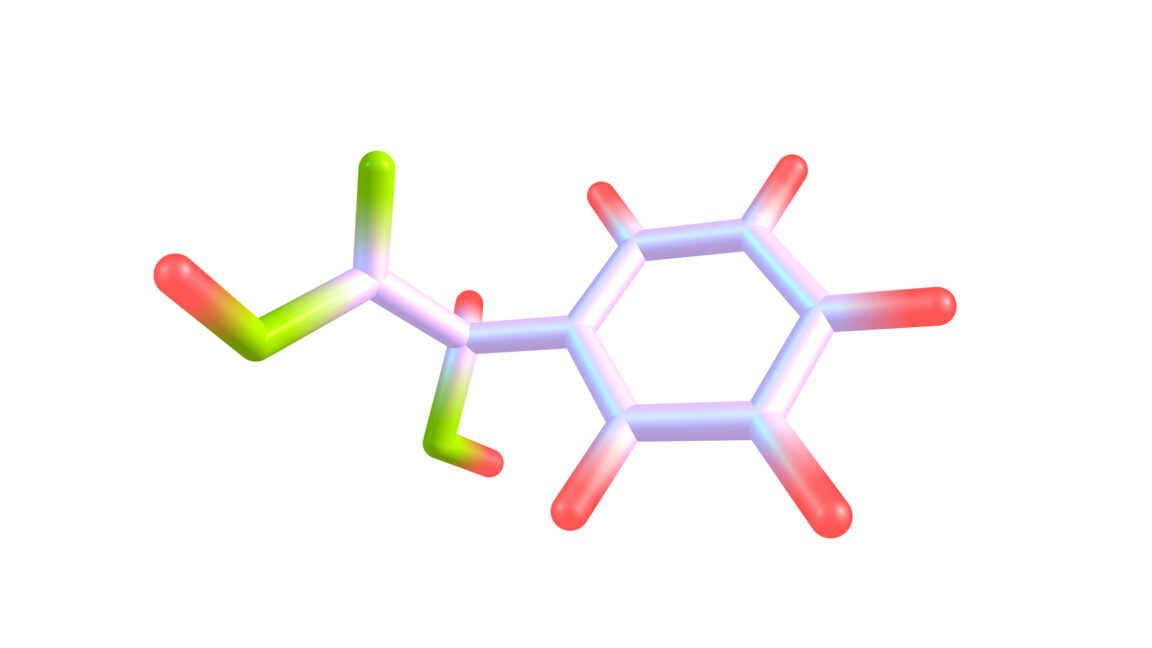
Life is remarkably selective. Life relies on many molecules with what is termed "handedness"—they're chemically identical but are mirror images of each other. Most chemical reactions will make a 50-50 mix of the left- and right-handed forms of a chemical, but life uses only one of them. In fact, because of the differences between left- and right-handed chemicals, most of the key enzymes used by organisms will fail to work if they're presented with chemicals that have the wrong handedness.

That poses a bit of a challenge for origin-of-life research, as we're forced to explain how a world that may have started with an even mix of left- and right-handed chemicals produced organisms that only used one of them.

Today's Nobel Prize in Chemistry goes to two individuals, Henri Kagan and Kenso Soai, who discovered chemical reactions could be biased, producing large excesses of one of the two forms of a chemical.

Read full article

Comments

Source: Ars Technica

Related technology stories

AI’s hidden storage bill: What inference leaves behind
Sourced report
technologyreview.com8 hours ago

AI’s hidden storage bill: What inference leaves behind

Ask most executives to picture the cost of AI and they’ll likely see GPUs—racks of accelerators with gigawatts of power—and a waitlist for silicon. But that picture leaves something out: Data storage

6 min briefingRead signal →
Three things you should know about permafrost
Sourced report
technologyreview.com8 hours ago

Three things you should know about permafrost

How much do you know about permafrost? Maybe, like me, you’ve been aware that this layer of frozen soil is thawing, that it’s important in the global puzzle of climate change … and that’s about the ex

5 min briefingRead signal →