The Lebanese armed group Hezbollah has rejected the terms of a ceasefire agreement between Israel and Lebanon.
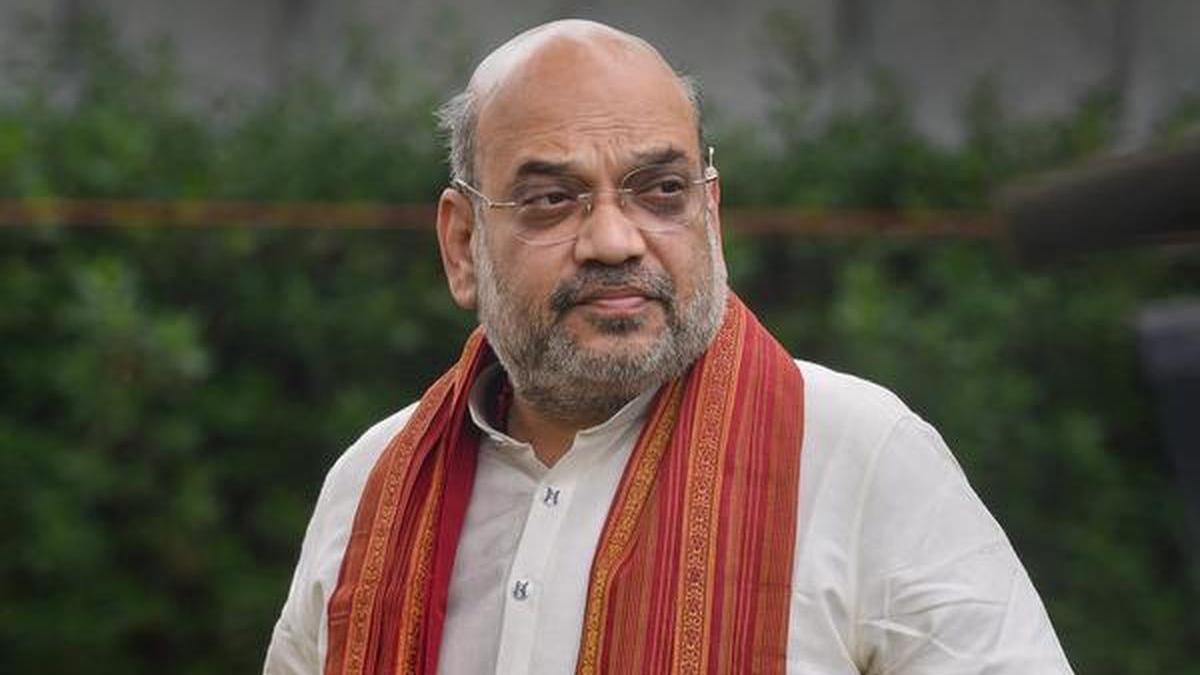
The Iran-backed group's leader Naim Qassem said on Thursday that negotiations had been "futile" and "humiliating" for Lebanon, and rejected categorically by "broad segments of the Lebanese people".
It comes after Israel and Lebanon agreed to create "pilot" security zones inside Lebanon, in which Hezbollah operatives would be banned, as part of the renewed ceasefire.
The agreement is "contingent on a complete cessation" of attacks by the Iran-backed armed group Hezbollah, among other conditions. Hezbollah is designated as a terrorist organisation by Israel and many other countries, including the UK and US.
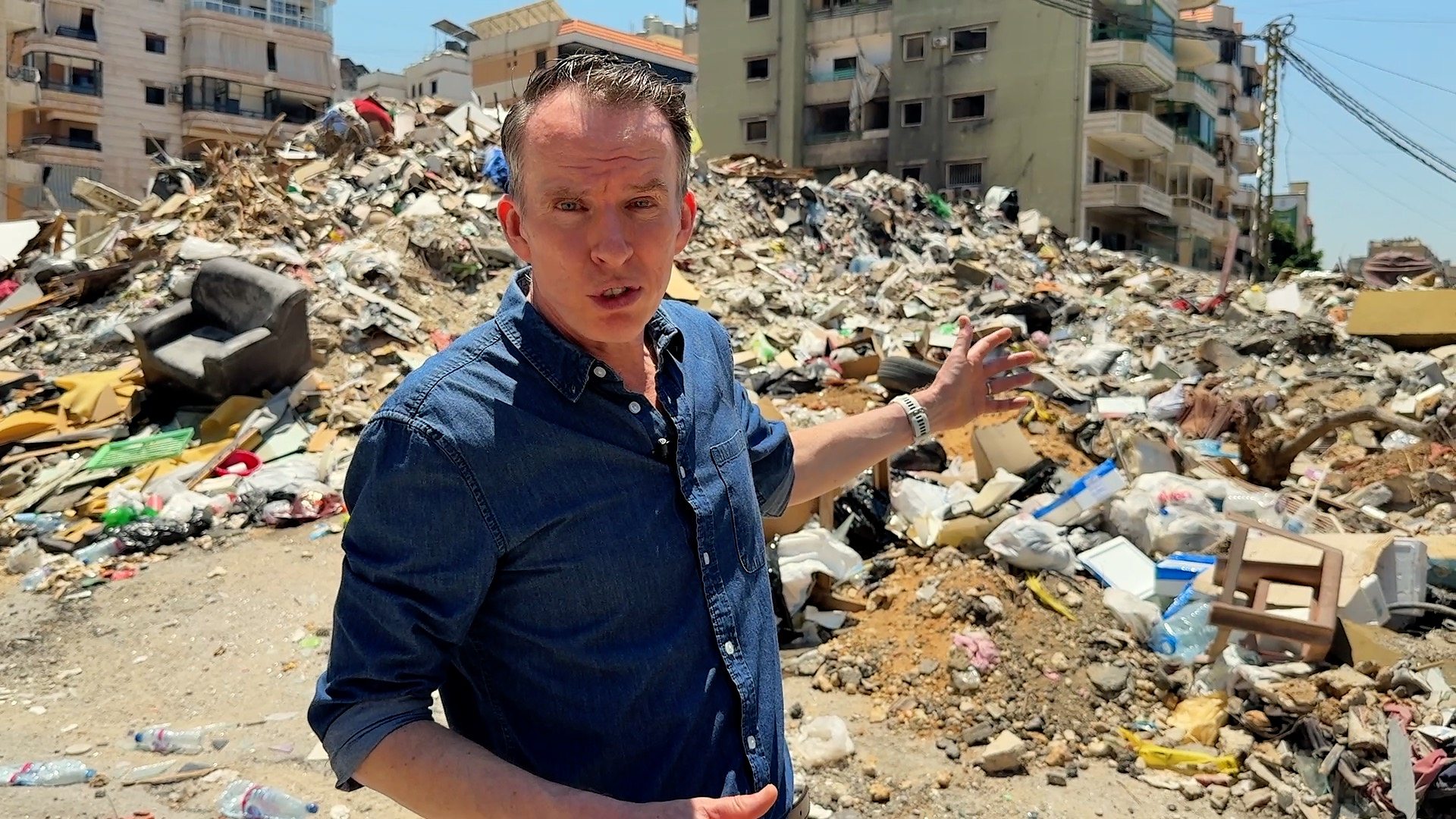
BBC correspondent John Sudworth explains why the ceasefire is so fragile in this report from the Hezbollah stronghold of Dahieh, in the Lebanese capital, Beirut.
One person was killed and more than 60 injured in the Iranian drone strike on Wednesday.
BBC’s Sarah Smith looks at why both countries are in a tense cycle of negotiations, despite the progress President Trump consistently claims.
Iranian authorities have imposed an internet ban but using trusted sources, special correspondent Fergal Keane hears from those traumatised by conflict and government repression.
Thousands of people have taken part in the Palestine Marathon, which returns to Bethlehem after a two-year pause over the Gaza War.
President Trump has suspended anoperation to guide ships through the Strait of Hormuz - BBC Verify explains the timeline.
Capt Raman Kapoor's ship is one of several to be stranded in the strait in the midst of the power struggle between the US and Iran.
The United Arab Emirates (UAE) is quitting oil cartel Opec after nearly 60 years of membership.
The US president says he saved eight Iranian women from execution, but Iran says otherwise.
The 300 couples were selected in a draw of nearly 2,000 people to be a part of the joint celebration.
The US and Iran's rival blockades of the Strait of Hormuz have become a "test of wills", says Lyse Doucet.
Analysis indicates that parts of the video appear to have been filmed hours after the ships were reportedly seized.
Eyewitnesses captured the moment a burning fuel tanker drove through the centre of Hasakah, Syria, leaving a trail of fire behind it.
Lyse Doucet says Iranians want a solution to the long-running animosity with the US, but leaders is not willing to make a deal on Washington's terms.
While military targets have been struck in Iran, civilian areas have too, showing the stark reality of the war.
The BBC's chief international correspondent Lyse Doucet arrived in Tehran to what she described as 'life on pause'.
Pro-government demonstrators poured onto the streets of the Iranian capital after the announcement of the two-week conditional ceasefire between the US and Iran.
The BBC's Nick Marsh takes a look at whether fuel costs will get cheaper now the US and Iran have agreed a ceasefire.
The BBC's Orla Guerin travels to the edge of the critical waterway that Iran has put a stranglehold on.
Paul Adams explains why it is so dangerous to navigate the strait, one of the world's busiest oil shipping channels.
At least 10 people were killed and 27 injured, according to Lebanon's state-run National News Agency.
Copyright 2026 BBC. All rights reserved. The BBC is not responsible for the content of external sites. Read about our approach to external linking.
Source: BBC News - World